How to Choose Your Wedding Photographer (without loosing your mind)
Your wedding photos will outlive the cake, the flowers, and probably your memory of the day. So yeah – choosing your photographer matters.
After your venue and catering, photography is usually one of the biggest chunks of your budget. But it’s not just about money. You’ll spend more time with your photographer than almost anyone else on the day, so liking them is just as important as liking their work.
This guide is here to help you choose a photographer who gets you, not just one who takes nice pictures.
Decide on Style but don't over think it
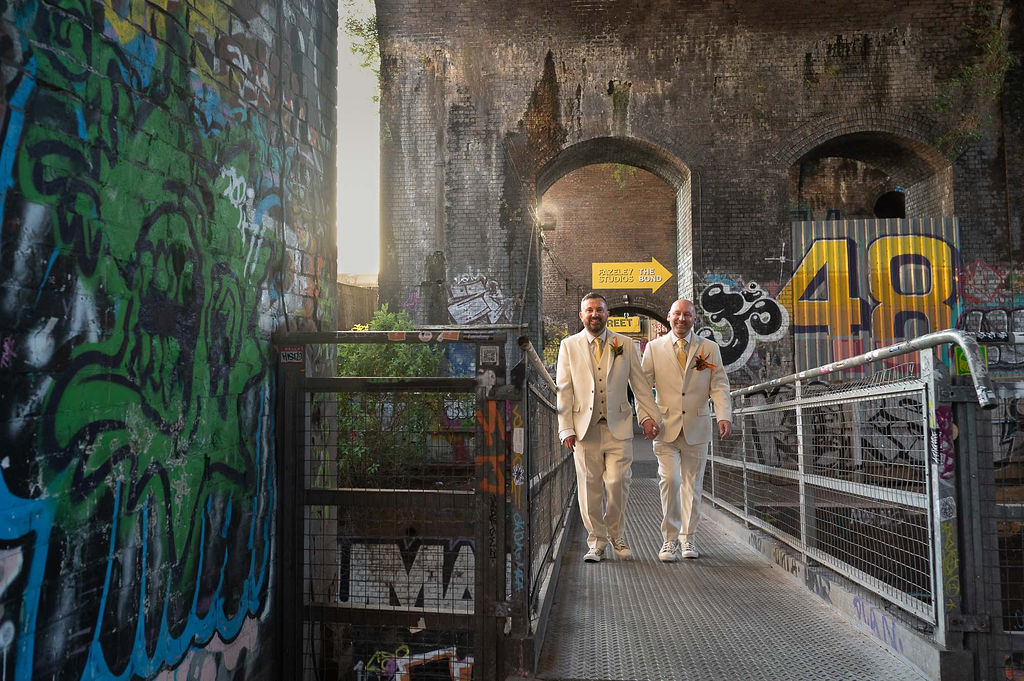
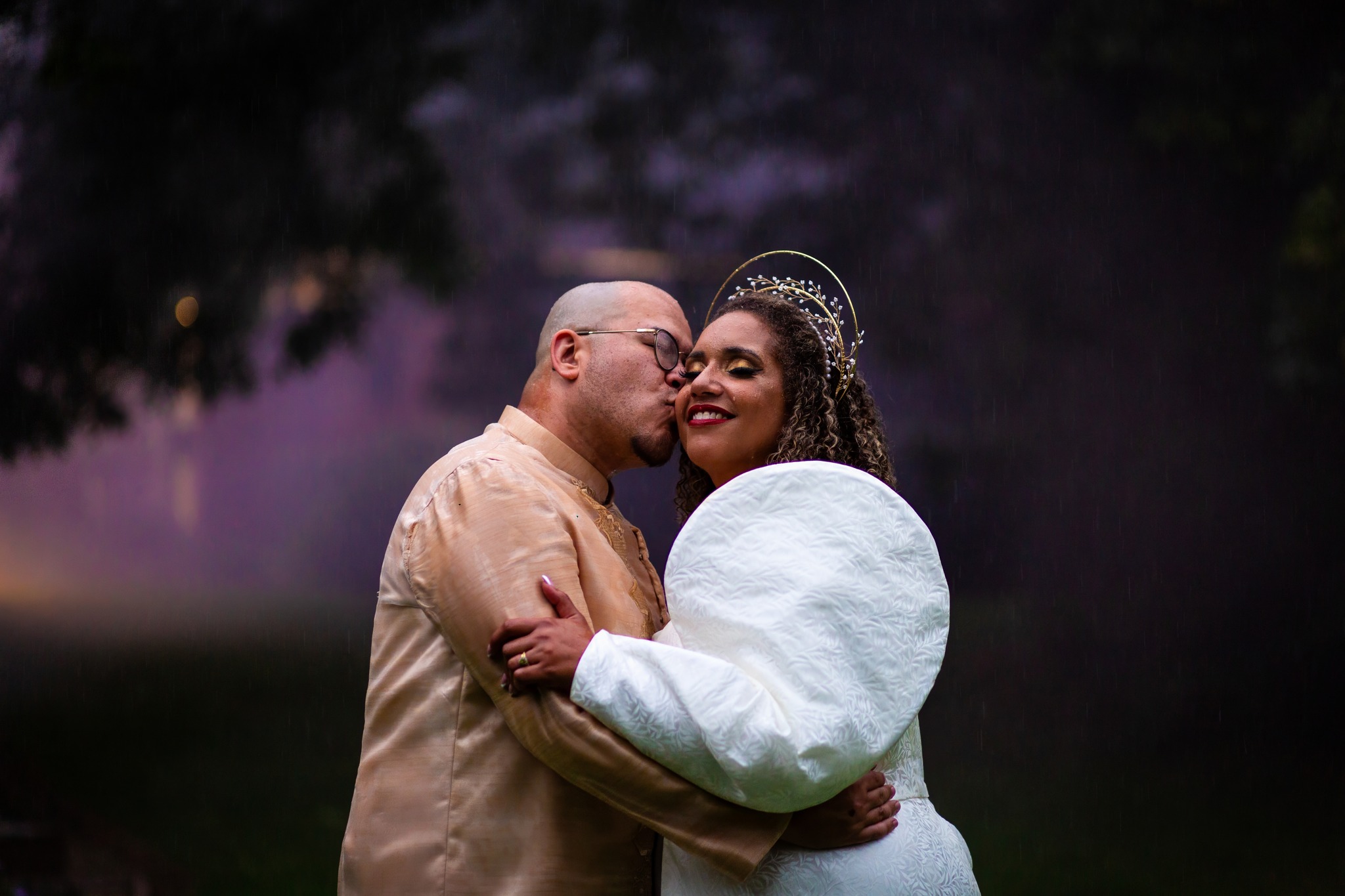
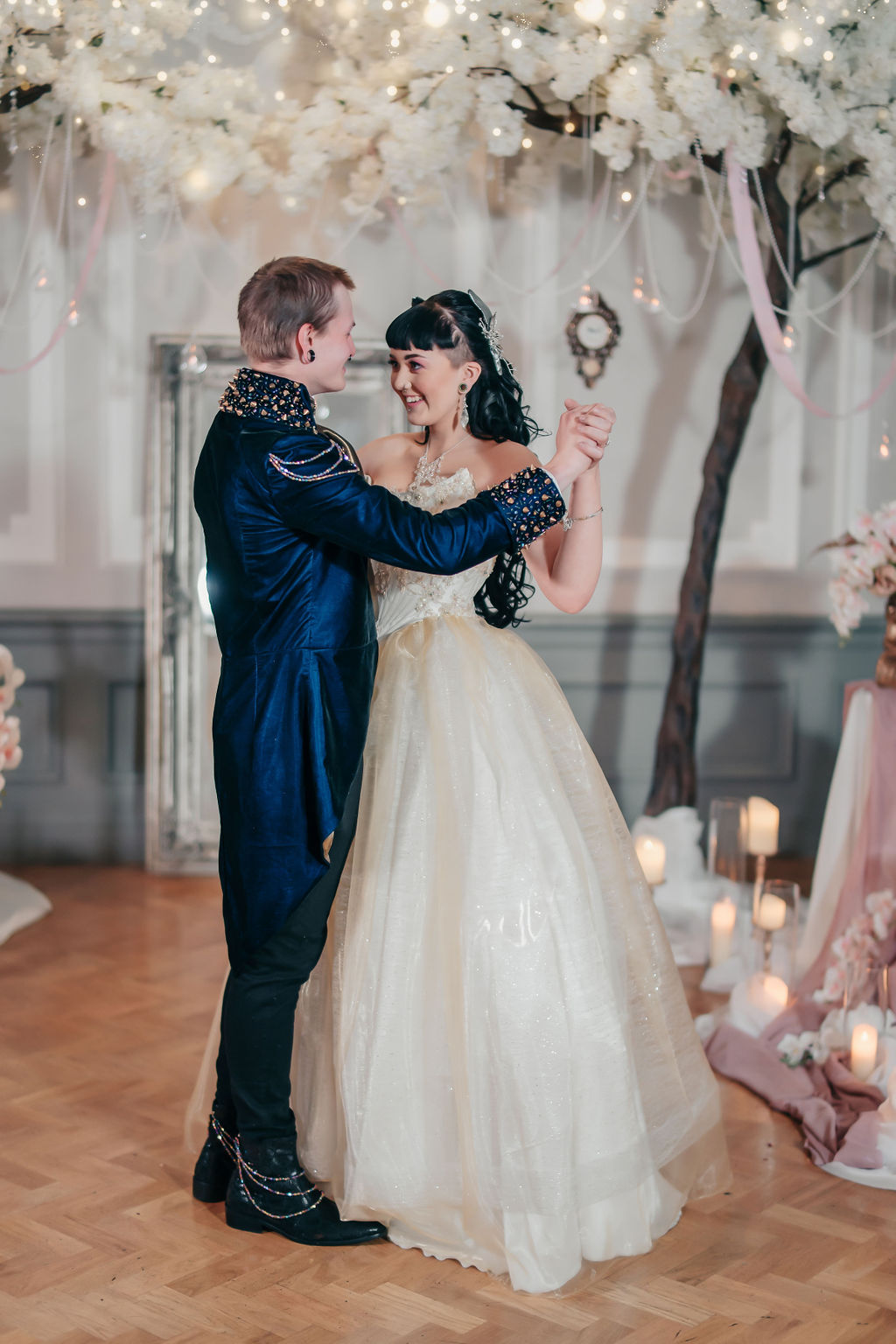
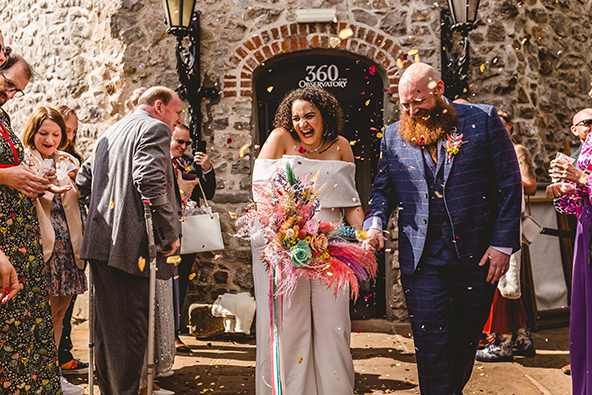
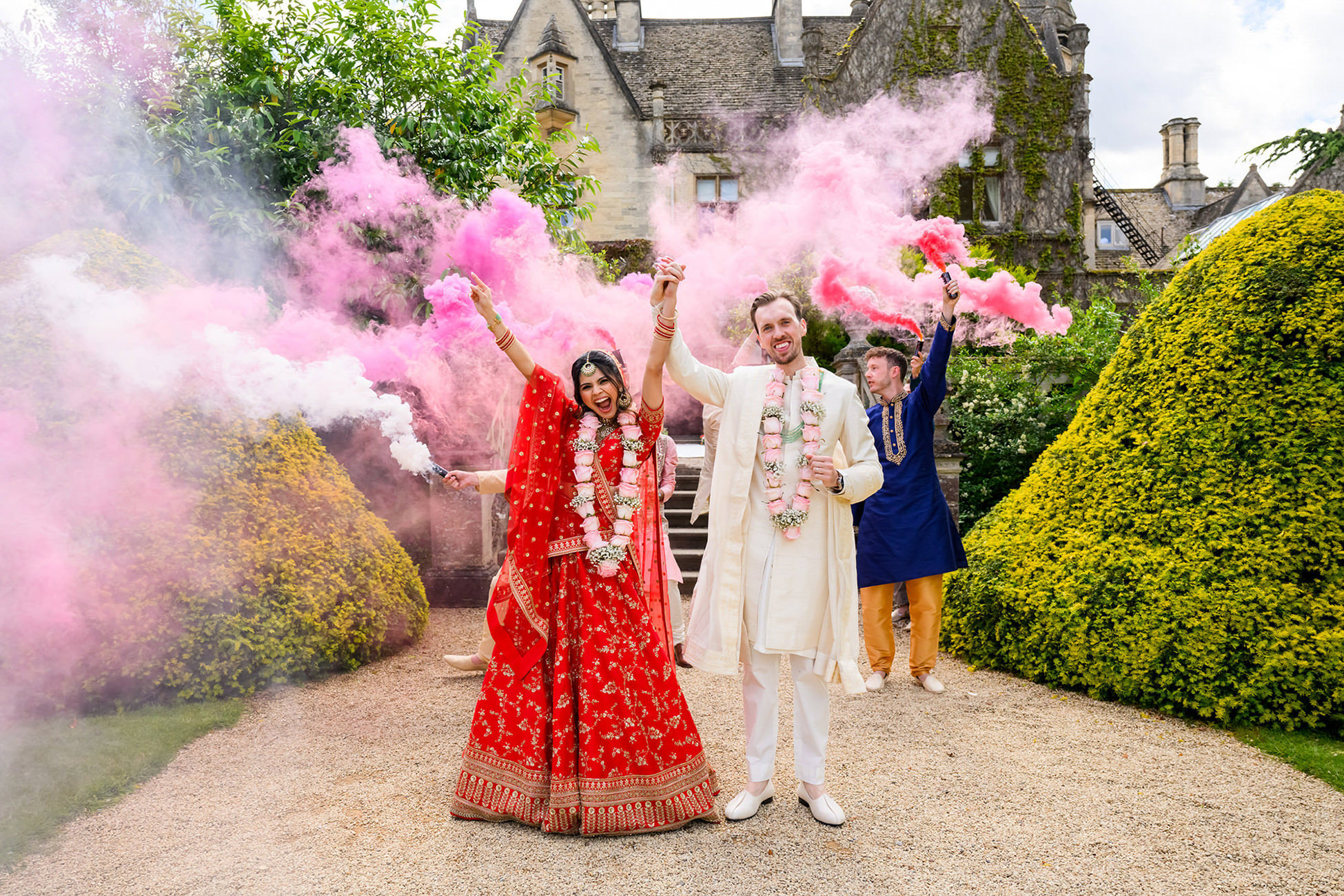
Kirsty Rockett Photography
Shoot Style
Wedding photography styles are often described in ways that sound… confusing at best. Here’s a plain-English breakdown:
Traditional / Classic More posed, formal group shots. Think timeless and structured.
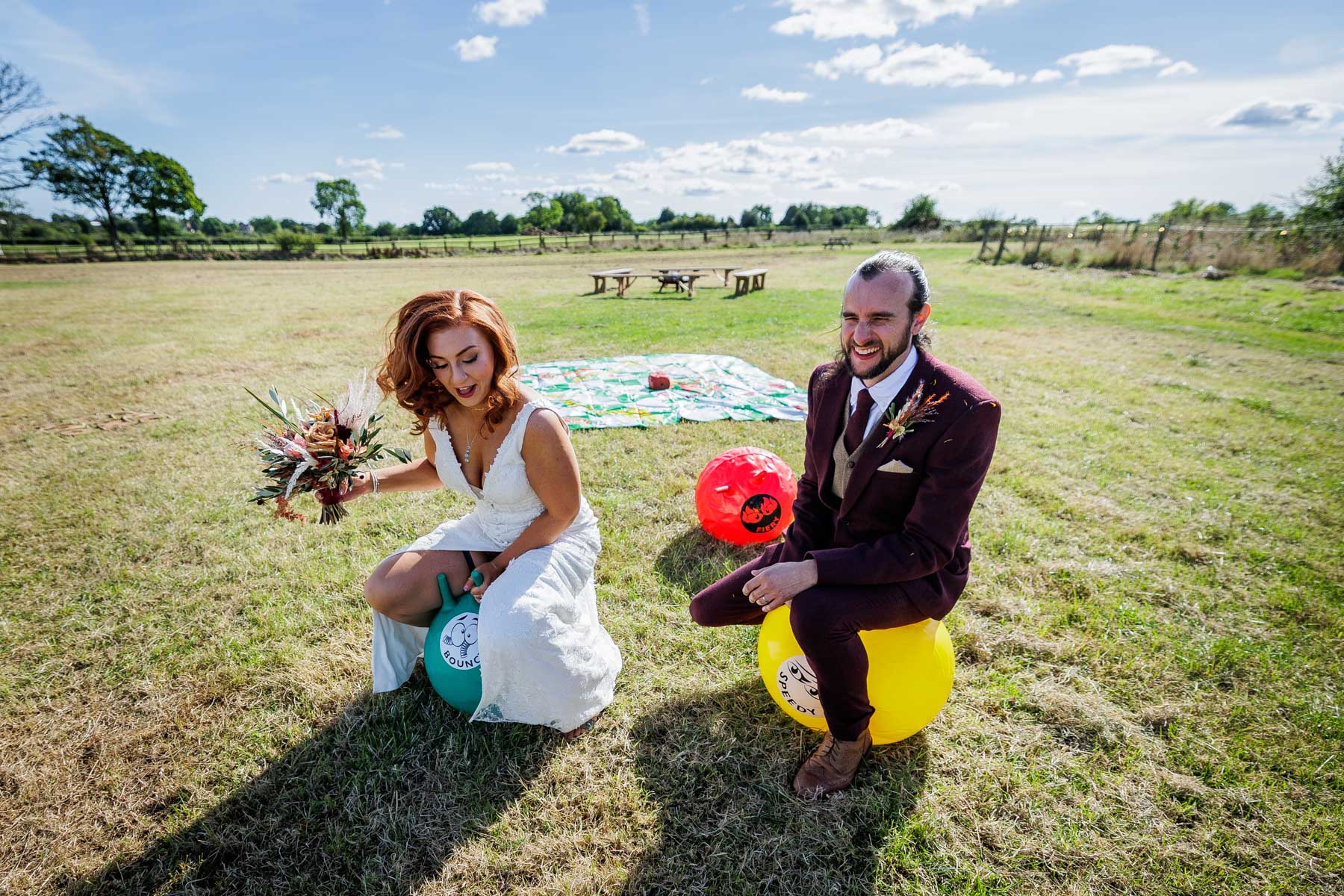
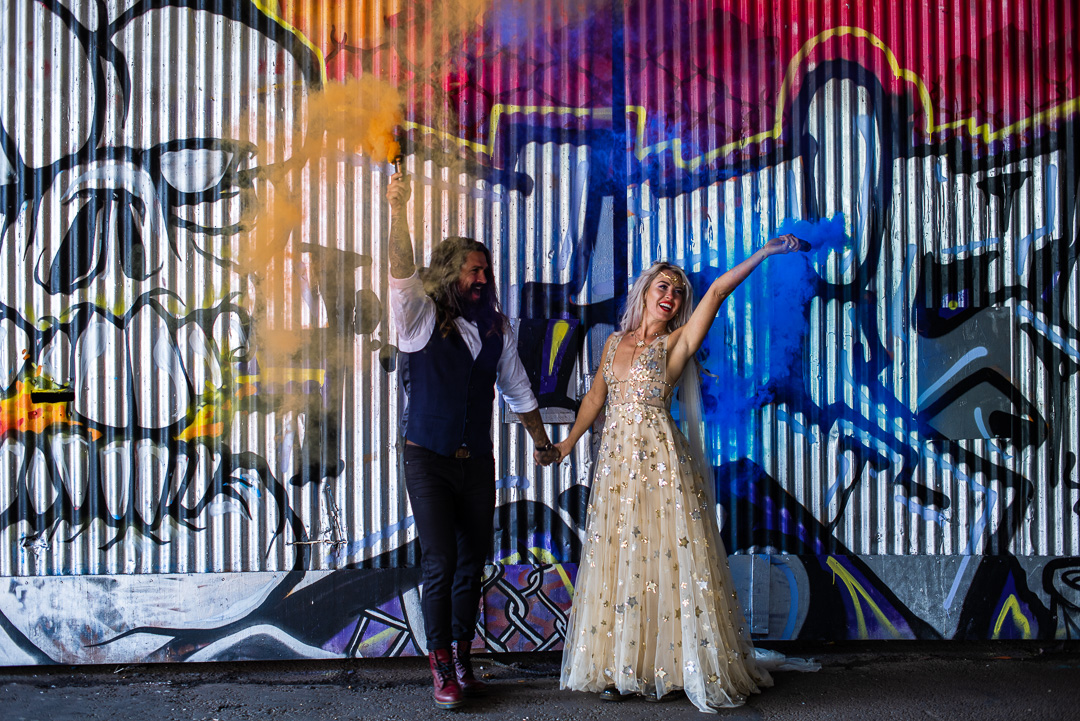
Creative / Fun Big ideas, playful concepts, sometimes heavily edited or photoshopped.
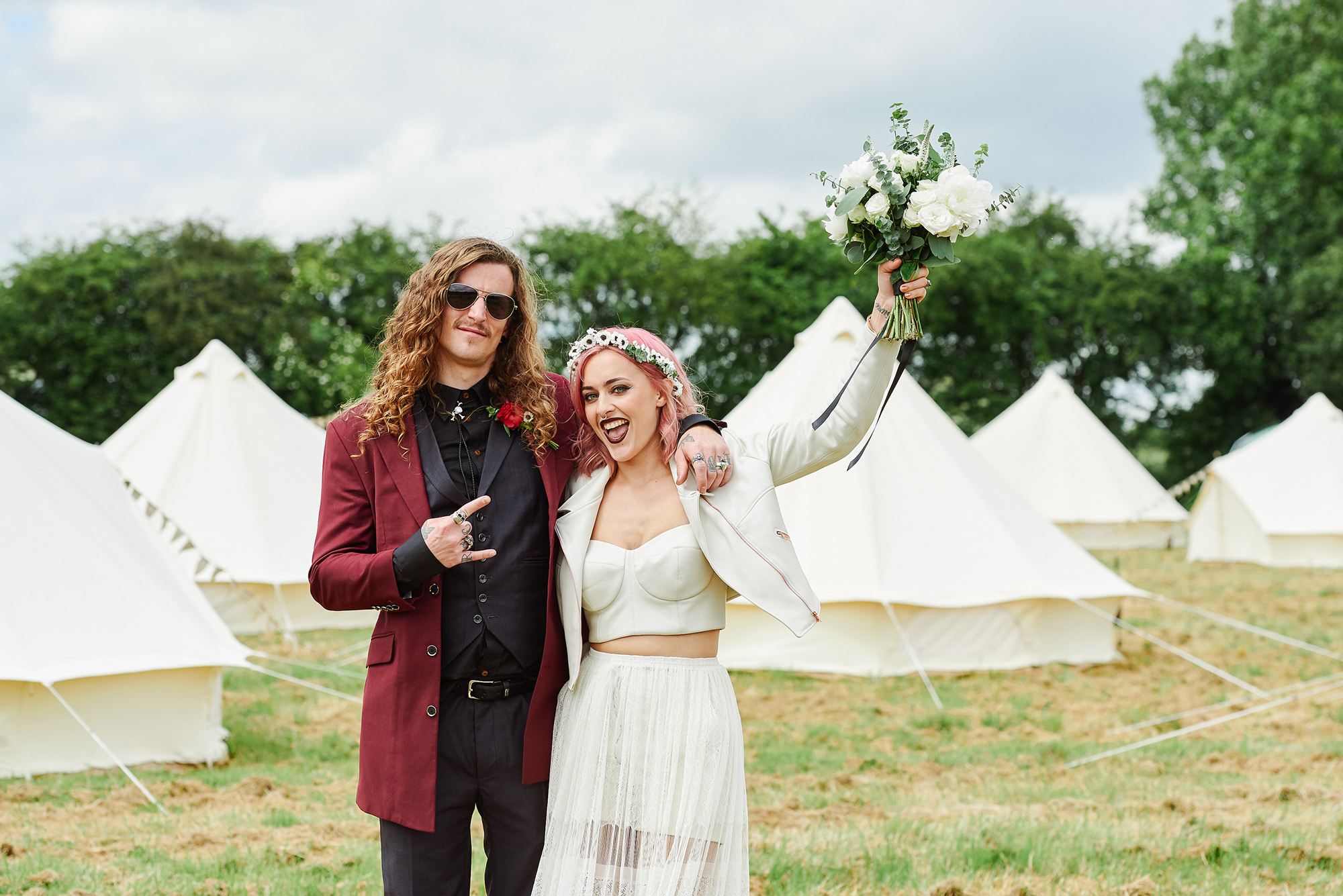
Reportage / Documentary Natural, relaxed, emotion-led. Your day as it actually happens, with minimal interference.
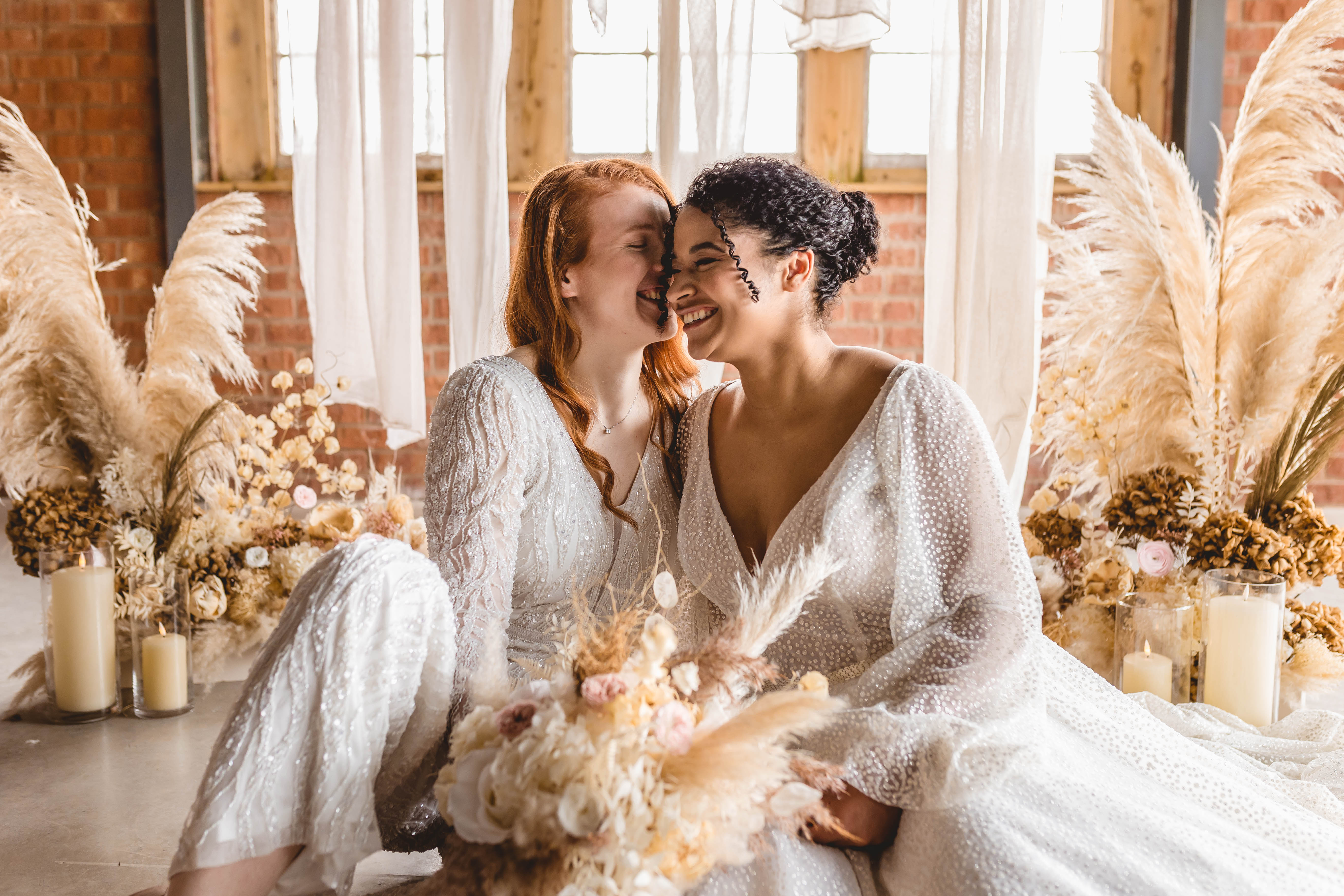
Fine Art Soft, romantic, carefully composed images with a strong editorial feel.
Most photographers blend styles, so don’t panic about labels. Instead, notice how the photos feel. That usually tells you more than the category name ever will.
os feel. That usually tells you more than the category name ever will.
“Do your research. Have a look at photography styles and see which you like best. This way you’ll know where to start and what to look for when you’re searching for your perfect photographer.”Kirsty Rocket Photography
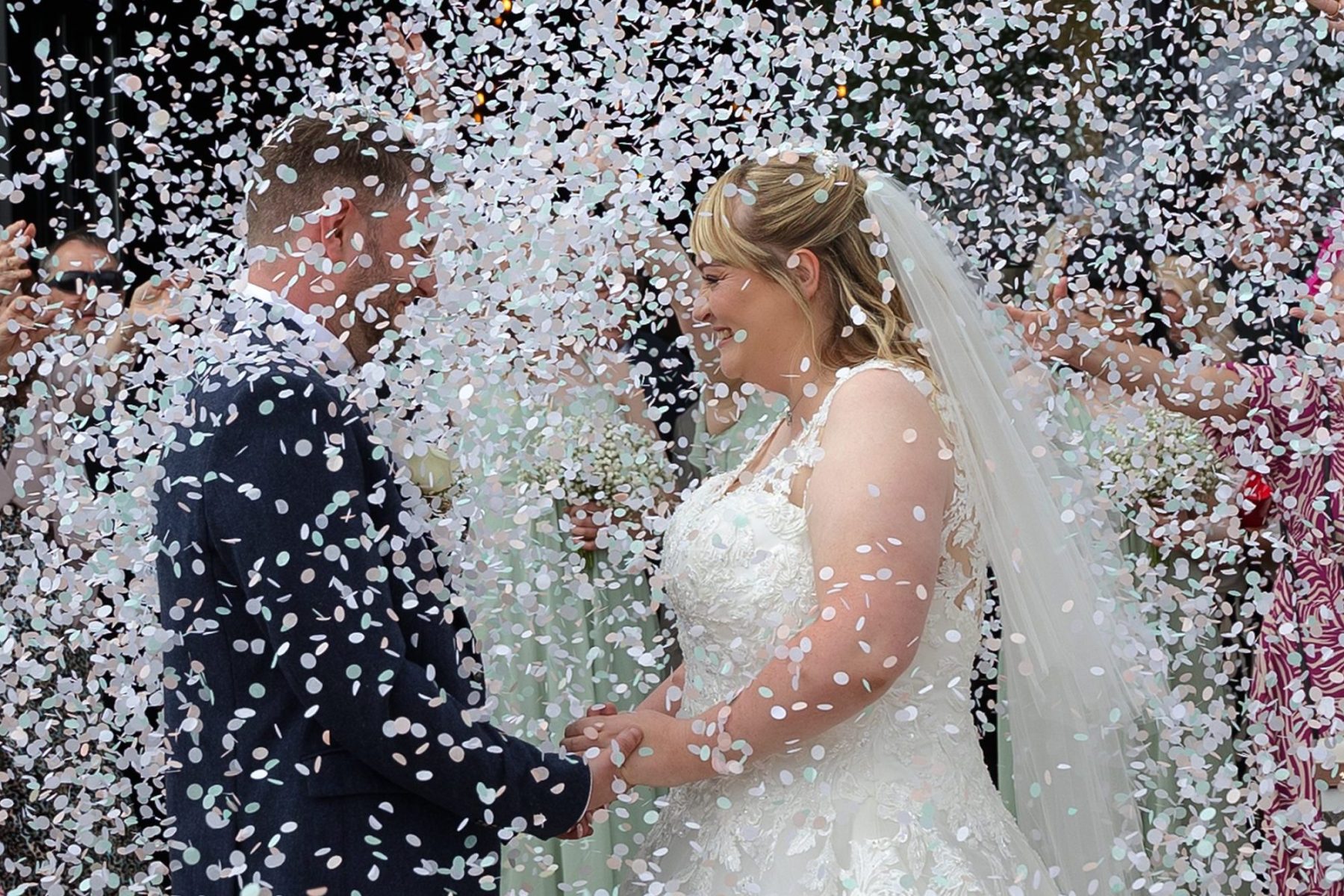
Nick Brightman Photography
Edit Style
Two photographers can shoot the same wedding and deliver completely different results – not because of how they shoot, but because of how they edit.
Some photographers favour:
light and airy tones
dark and moody colours
warm, film-inspired edits
clean, true-to-life colour
None are better or worse. But if you love bright, colourful images and book someone whose work is muted and earthy, you might be disappointed – even if they did a great job.
Top tip: scroll through a photographer’s work and ask yourself, “Would I be happy if my whole gallery looked like this?”
“Raw images are just the start! Editing can make all the difference to how a photograph feels (as well as looks).”Blue Jay Photography
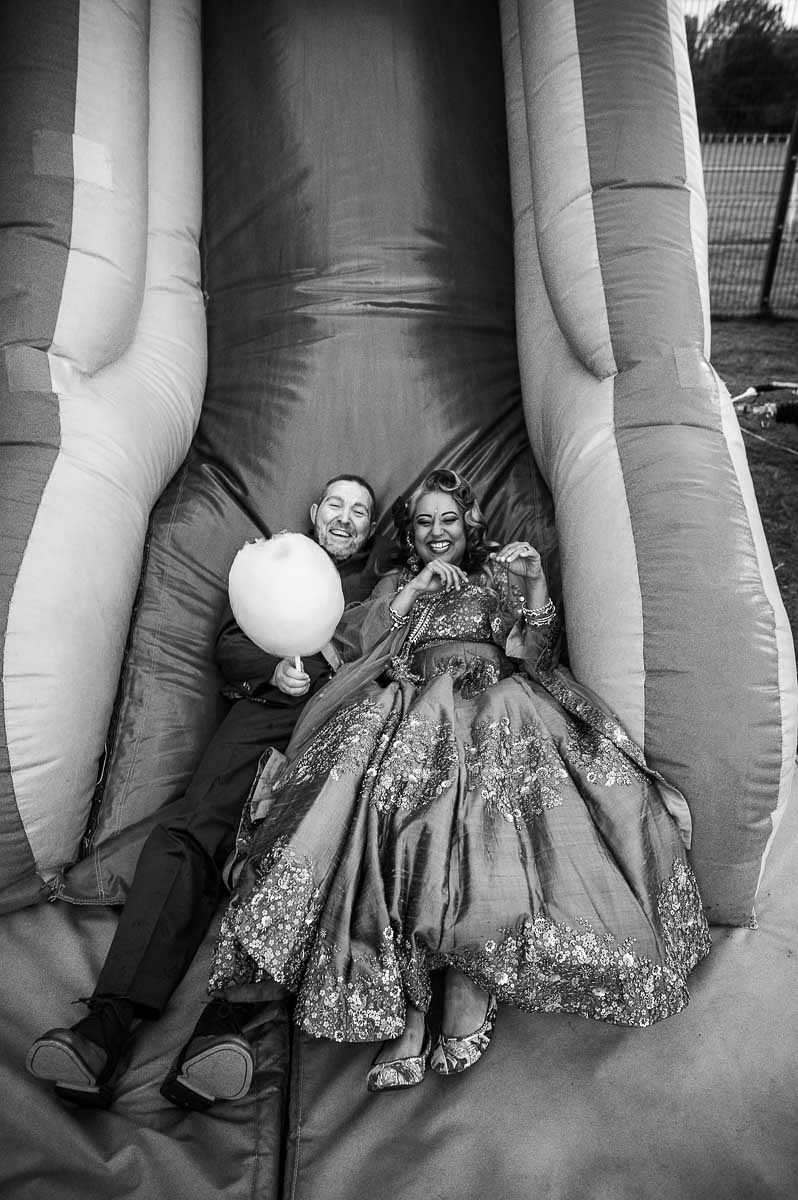
Pink Photographics
Research Properly (Instagram Isn’t the Whole Story)
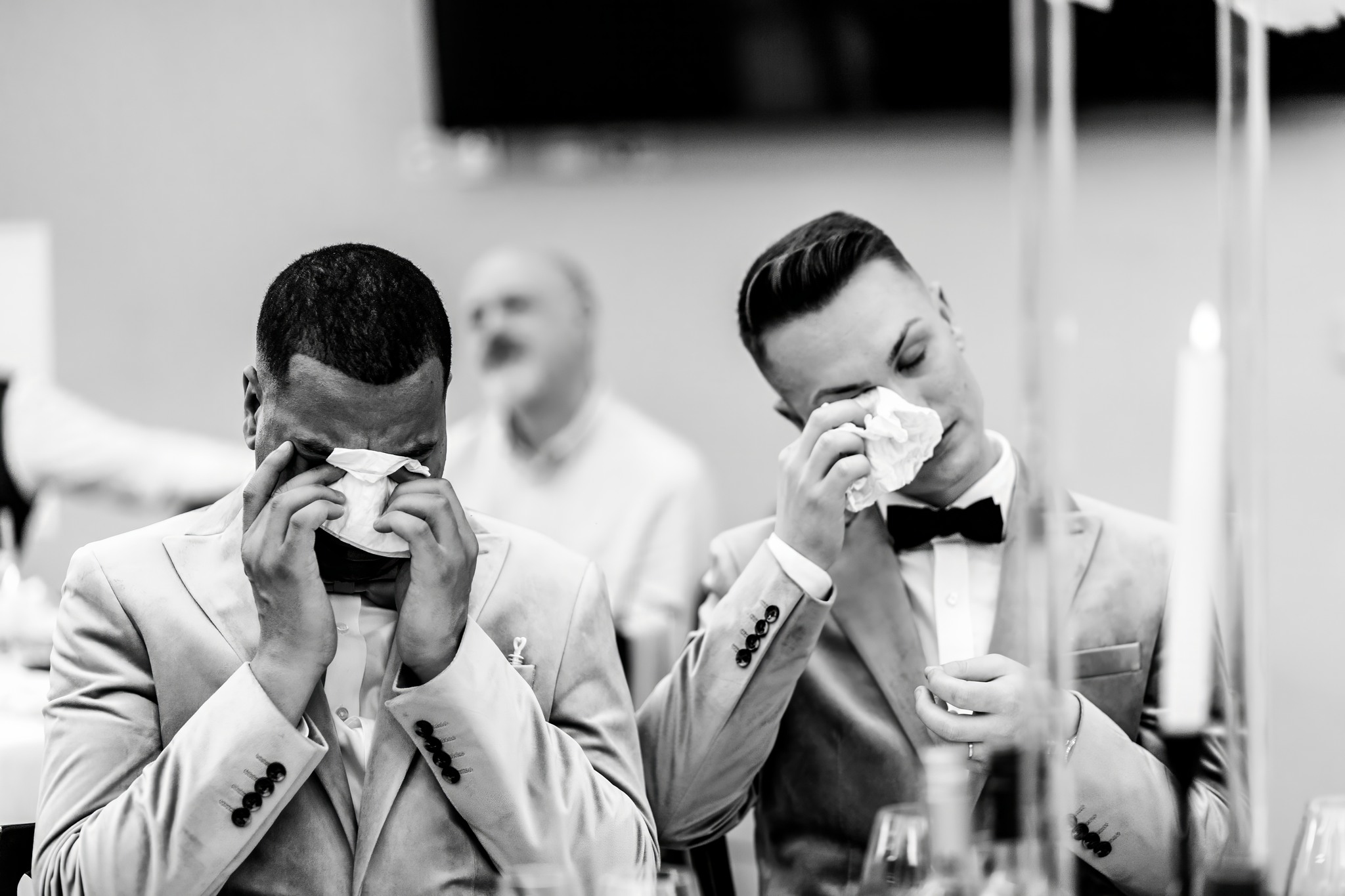
Nick Brightman Photography
Instagram and Pinterest are brilliant for inspiration – and for working out what you don’t like.
But they’re also highlight reels. Social media tends to show a photographer’s favourite moments, best light, and most eye-catching images. That’s not a bad thing – it’s just how those platforms work.
When you’re seriously considering a photographer, it’s worth asking if you can see an example of a real wedding day, shared in whatever way that photographer is comfortable with. Many photographers are happy to show a full gallery privately or talk you through how they approach an entire day from start to finish.
This gives you a better sense of:
how their work looks across different lighting and weather
how they photograph real people and real moments
how consistent their style is from beginning to end
If a photographer explains clearly how they work and what you can expect – whether that’s through galleries, blog posts, or conversations – that’s a good sign.
Blue Jay Photography
Wedding Photography budget
Weddings by Sally Rose
What's realistic?
Wedding photography prices vary wildly. As a very rough guide:
Under £1,000 usually means someone new or building experience
£1,500+ is common for established, experienced photographers
That cost isn’t just for the wedding day. You’re paying for:
years of experience
professional equipment and backups
planning and prep
hours (often days) of editing
reliability and problem-solving under pressure
If photos matter to you – and for most people they do – this is usually an area worth prioritising.
Blue Jay Photography
How Much Coverage Do You Actually Need?
More hours doesn’t automatically mean better photos.
Ask yourself:
Do you want getting-ready photos, or are you happy starting later?
Is your wedding small, relaxed, or spread over multiple locations?
Are you doing things differently? Many photographers offer anything from short coverage to full-day and multi-day options. A good photographer will help you work out what fits your day, not upsell you for the sake of it.
“Compromise on coverage – not the photographer. Get the best photographer you can within your budget, even if it means having shorter coverage.” Blue Jay Photography
Do you need a second photographer
Blue Jay Photography
Some photographers always work alone. Others regularly work with a second shooter. Neither approach is better or worse – they’re just different ways of covering a wedding day.
A photographer who works solo may focus on:
a consistent, personal style throughout the day
moving quietly and blending into the background
capturing moments as they unfold naturally
Photographers who work as a pair may be able to:
cover both of you getting ready at the same time
capture multiple angles during key moments
photograph more guest interactions during busy parts of the day
What matters most is understanding how your photographer works and whether that suits your plans, your priorities, and the feel of your wedding.
It’s worth asking:
whether they usually work alone or with a second shooter
how that affects coverage on your day
whether a second photographer is optional, standard, or not offered
One important thing to be aware of: it’s not a good idea to book an additional photographer independently without talking to your main photographer first. Many photography contracts don’t allow other professional photographers to be working alongside them, as it can affect how they work, move around the day, and take responsibility for coverage.
If you’re considering having more than one photographer, always discuss it openly with your chosen photographer – they’ll be able to explain what works best and what’s possible within their contract and approach.
Kisrty Rockett Photography
Where to Find Photographers (Without the Overwhelm)
Facebook groups and Google can be useful, but they’re also noisy. Just because someone appears everywhere doesn’t mean they’re right for you.
“Get yourself to fairs and meet some people – if you click over a mutual love of nerdy board games and flavours of tea, odds are you’ll be comfy with them there on the day taking part on the most intimate day of your life.” Blue Jay Photography
Carmel Mc Cabe Photography
Know your Wedding Photographer
Weddings By Sally Rose
Shortlist, Then Get to Know Them
Once you’ve narrowed it down to two or three photographers:
check they’re available
read reviews
understand exactly what’s included
Then talk to them.
You don’t need to be best mates – but you should feel comfortable. If the idea of them hanging out with you all day makes you tense, trust that instinct.
“When looking for your photographer, make sure you not only love their work but the photographer themselves. You need to “click” with each other as you will spend more time together than anyone else on your day. It will show in your photos if you’re not comfortable with your photographer, so don’t just book someone because they have an offer on if your values don’t align.” Pink Photographics
Heather Wood Photography
Engagement & Pre-Wedding Shoots?
Engagement shoots aren’t about perfect poses or fancy outfits. They’re about getting comfortable in front of the camera and understanding how your photographer works.
If you feel nervous about having your photo taken, this can be a really helpful stepping stone before the wedding day. It also gives you a chance to see how your photographer directs (or doesn’t), and to talk through what you like and don’t like before it really matters.
“An engagement photoshoot is a chance to get used to having a big scary professional camera pointed in your direction (and honestly you do get used to it quicker than you think) so that come your wedding day – you’re not even thinking about it. You can also use your engagement photos for your invites or save the dates… so win win.” Blue Jay Photography
Questions Couples Forget to Ask (But Really Should)
Kirsty Rockett Photography
Alongside the usual questions like: whether they’re available, what their packages cost, and what’s included in their coverage, there are a few important things couples often forget to ask:
Can we see a full wedding gallery?
Do we receive all the edited images?
How many photos do couples usually get?
What’s the backup plan if something goes wrong? (illness, equipment failure, timelines run over etc)
How long will delivery take?
Can we share our photos online?
What happens if we need to postpone?
Who will be taking the photos? Is it you or do you have a team of photographers?
Clear answers now prevent stress later.
“Honestly the best questions to ask are the ones at the back of your mind. Planning a wedding and booking vendors is a big deal, so they should be able to ease any worries or nagging dilemmas you have.” Blue Jay Photography
Carmel McCabe Photography
The Boring but important stuff
Doodah Photography
Contracts & Cancellations
Contracts don’t need to feel scary – they’re there to protect both you and your photographer, and to make sure everyone knows what to expect.
You don’t need to understand every legal phrase, but you should feel comfortable with the basics. It’s completely reasonable to ask questions or ask for clarification before you sign.
A few things to look out for and understand:
What happens if plans change Life happens. Check how postponements, date changes, or cancellations are handled, and what flexibility (if any) is built in.
What happens if your photographer can’t attend Illness or emergencies are rare, but it’s worth knowing what the backup plan would be and how that would be communicated.
Payment schedules and refunds Make sure you understand when payments are due and what happens if circumstances change.
Delivery timelines Your contract should outline roughly when you’ll receive your photos, even if it’s given as a range rather than an exact date.
If something doesn’t make sense, that doesn’t mean it’s a bad contract – it just means it needs explaining. A professional photographer should be happy to talk you through it.
The goal isn’t to catch anyone out. It’s to make sure you both start the working relationship feeling clear, confident, and on the same page.
Heather Wood Photography
Red Flags Worth Paying Attention To
Red flags aren’t always dramatic. Often, they’re about how a photographer communicates and whether you feel informed and supported.
A few things that might be worth pausing on:
Vague answers to reasonable questions A professional photographer should be able to explain how they work, what’s included, and what happens if plans change – even if the answer is “it depends”.
Unclear pricing or packages You should understand what you’re paying for and why. Hidden costs or confusing add-ons can cause stress later on.
No clear explanation of how work is shared or shown Photographers don’t all share full galleries publicly, but they should be open about how they show examples of their work and what you can expect to see.
Pressure to book quickly It’s okay for dates to be in demand, but you shouldn’t feel rushed into a decision without time to think or ask questions.
A contract that feels unclear or incomplete You don’t need to understand every legal word — but the basics should make sense. If something feels confusing, you’re entitled to ask for clarity.
None of these automatically mean a photographer is a bad choice. They’re simply signals to slow down, ask more questions, and make sure you feel comfortable moving forward.
Pink Photographics
Final Thoughts on choosing your wedding photographer
Nick Brightman Photography
There’s no such thing as the perfect wedding photographer – only the right one for you.
If you love their work, feel comfortable talking to them, and trust them with one of the biggest days of your life, you’re probably on the right track.
And if you’re doing things a bit differently? Even better. The right photographer will be excited about that – not confused by it.